ไทย
ไทย
 English

ไม่มีสินค้าอยู่ในรถเข็น
25
Dec

BDSM—short for Bondage and Discipline, Dominance and Submission, and Sadism and Masochism. We’ve all heard about it—and since Fifty Shades of Grey, many people think we invented it. But Bondage, Discipline/Domination, Sadism, and Masochism (BDSM) has been around for thousands of years. The term BDSM itself only emerged in modern times. It’s a combination of BD (Bondage and Discipline), DS (Dominance and Submission), and SM (Sadism and Masochism). The acronym first appeared in the 1960s and was popularised in academic and subcultural contexts by 1969—a fitting year, for obvious reasons. Some sources suggest its formal academic use began in the 1980s, but the practices themselves have ancient roots. As far back as ancient Egypt, Greece, and Rome, we find evidence of erotic practices involving dominance, submission, and physical stimulation. Greek pottery and Roman texts depict scenes of flagellation and power exchange, suggesting a cultural acceptance of what we’d now recognize as kink.—has long been misunderstood, often portrayed as extreme or deviant. However, a growing body of research reveals it's a consensual practice that many adults find appealing for both physical and emotional reasons. This article dives into the psychology and neuroscience behind why people are drawn to BDSM, its potential benefits, risks, and key safety guidelines.
What Is BDSM?
BDSM encompasses a variety of erotic practices involving power exchange, sensation play, and role-playing. Common activities include bondage (restraint), discipline (rules and punishments), dominance/submission (power dynamics), and sadomasochism (giving or receiving pain for pleasure).The acronym is generally understood to stand for the following:
B&D (Bondage and Discipline): The use of physical restraints (e.g., ropes, cuffs, blindfolds) and a dynamic involving rules that have been agreed-upon regarding both rewards and punishments.
D/s (Dominance and Submission): A dynamic where one partner (the dominant or "Dom") takes psychological control and the other (the submissive or "sub") willingly yields that control, usually often within specific scenarios or as a lifestyle.
S&M (Sadism and Masochism): The consensual infliction and receipt of physical or emotional "intense sensations" which may include pain for pleasure.
Importantly, BDSM is not inherently tied to sex; it can be purely psychological or sensual. Practitioners often use terms like "Top" (dominant role), "Bottom" (submissive role), and "Switch" (both). At its core, BDSM is about mutual agreement between rational adults who respect each other's boundaries. It must be conducted under the premise of mutual consent and the mental capacity of both parties.
Dominant (Dom/Domme/Top): The person who takes charge and controls the activities or the submissive partner.
Submissive (Sub/Bottom): The person who willingly gives up control and follows the dominant partner's lead.
Switch: An individual who enjoys playing both the dominant and submissive roles, depending on the partner or context.
Why Do People Like BDSM? The Scientific and Psychological Appeal
In fact, BDSM is far more complex than it appears on the surface. According to research by the National Library of Medicine, 40-70% of people have fantasized about BDSM-related activities, 13% have tried playful whipping during sex, 20% have played bondage, and 30% have spanked to increase pleasure during sex.
From a neuroscientific perspective, pain and intense sensations in BDSM trigger the release of endorphins—natural painkillers that create euphoria, similar to a "runner's high." This can transform pain into pleasure through the brain's downward pain modulation pathway, producing natural analgesics.
Psychologically, BDSM allows exploration of control: dominants experience empowerment and focus (often called "flow" state), while submissives may enter "subspace"—a trance-like altered consciousness with feelings of floating, peace, and time distortion. Evolutionary psychology suggests these interests may stem from exaggerated behaviors linked to reproductive success, though BDSM itself isn't directly adaptive.
Many are drawn to BDSM for escapism, stress relief, or deeper self-exploration. Studies show practitioners often report higher openness to experience, extraversion, and subjective well-being compared to non-practitioners.
Is BDSM Perverted or Pathological?
No. Early psychology labeled it as deviant, but modern research finds no link to mental illness when practiced consensually. BDSM participants are often less neurotic, more conscientious, and report lower rates of anxiety, depression, or trauma-related issues than the general population. It's viewed as a healthy recreational activity, not a disorder, as long as it doesn't cause distress or impairment.

Potential Benefits of BDSM
Engaging in consensual BDSM can offer surprising advantages:
Enhanced Intimacy and Trust: Negotiating boundaries builds deep communication and emotional closeness.
Stress Reduction: Scenes increase cortisol temporarily but reduce perceived stress, leading to relaxation and better flow in daily life.
Personal Growth: It fosters self-awareness, confidence, and mindfulness.
Physical Perks: Some report improved fitness, focus, and even higher income due to heightened mental states.
Research indicates BDSM can mimic therapeutic effects, like altered consciousness states beneficial for emotional processing.
Risks and Concerns in BDSM
While not inherently dangerous, BDSM carries risks if not handled properly:
Physical Harm: Improper techniques (e.g., bondage cutting circulation or extreme impact) can cause injury or, rarely, fatal outcomes.
Psychological Issues: "Sub drop" or "dom drop"—post-scene emotional lows from hormone crashes—can include sadness, anxiety, or frustration.
Boundary Violations: Without clear consent, it can lead to trauma.
Literature reviews confirm low fatal risks overall, but emphasize the need for education.
Common Misconceptions About BDSM
Despite greater visibility in media, misconceptions about BDSM persist. Let’s clarify some myths:
BDSM is not inherently harmful. When practiced consensually with communication and safety, it differs fundamentally from abuse.
It’s not always about pain. Many activities focus on emotional connection, power exchange, or sensation rather than actual discomfort.
It’s not a disorder. Modern psychology does not categorize consensual BDSM preferences as a pathology.
Essential Practices for Safe BDSM
Safety is paramount in the BDSM community, guided by principles like SSC (Safe, Sane, Consensual) or RACK (Risk-Aware Consensual Kink).
Key tips:
Communication: Discuss limits, desires, and health beforehand.
Safe Words: Use neutral words (e.g., "red" for stop, "yellow" for slow down) to halt play instantly.
Aftercare: Post-scene cuddling, hydration, emotional check-ins to prevent drop.
Start Slow: Beginners should join communities or events for guidance, avoiding private meets with strangers initially.
Both Sides Matter: Dominants may need aftercare too, as they can experience self-doubt.
Always prioritize mutual respect—anyone can withdraw consent at any time.
Final Thoughts
BDSM, when practiced responsibly, is a valid way for consenting adults to explore pleasure, power, and connection. It's rooted in trust, communication, and respect, offering psychological rewards far beyond stereotypes. Reducing stigma through education helps everyone understand it's about enhancement, not harm.
Frequently Asked Questions (FAQ)
What does BDSM stand for?
BDSM stands for Bondage and Discipline, Dominance and Submission, and Sadism and Masochism—consensual practices involving power dynamics and sensation.
Is BDSM safe?
Yes, when following SSC or RACK principles. Risks exist but are minimized through education, consent, and technique.
Why does pain feel good in BDSM?
Endorphins and other neurochemicals convert pain into pleasure, creating euphoria and subspace.
What is subspace and sub drop?
Subspace is a blissful, altered state during play; sub drop is the emotional/physical low afterward from hormone shifts—mitigated by aftercare.
Can BDSM improve relationships?
Many report stronger trust and intimacy due to open negotiation and vulnerability.
Is BDSM linked to trauma?
Studies show no higher trauma rates; some use it positively for processing, but it's not a coping mechanism for everyone.
How do I start with BDSM safely?
Educate yourself, communicate openly, use safe words, and consider community events for learning.
How can beginners start safely?
Begin with communication, research reputable guides, and start slow with simple activities before progressing to complex tools or scenarios.
Are there products that help beginners?
Yes — from soft restraints to beginner impact toys, choose quality BDSM accessories, prioritize safety, and follow guides for usage.
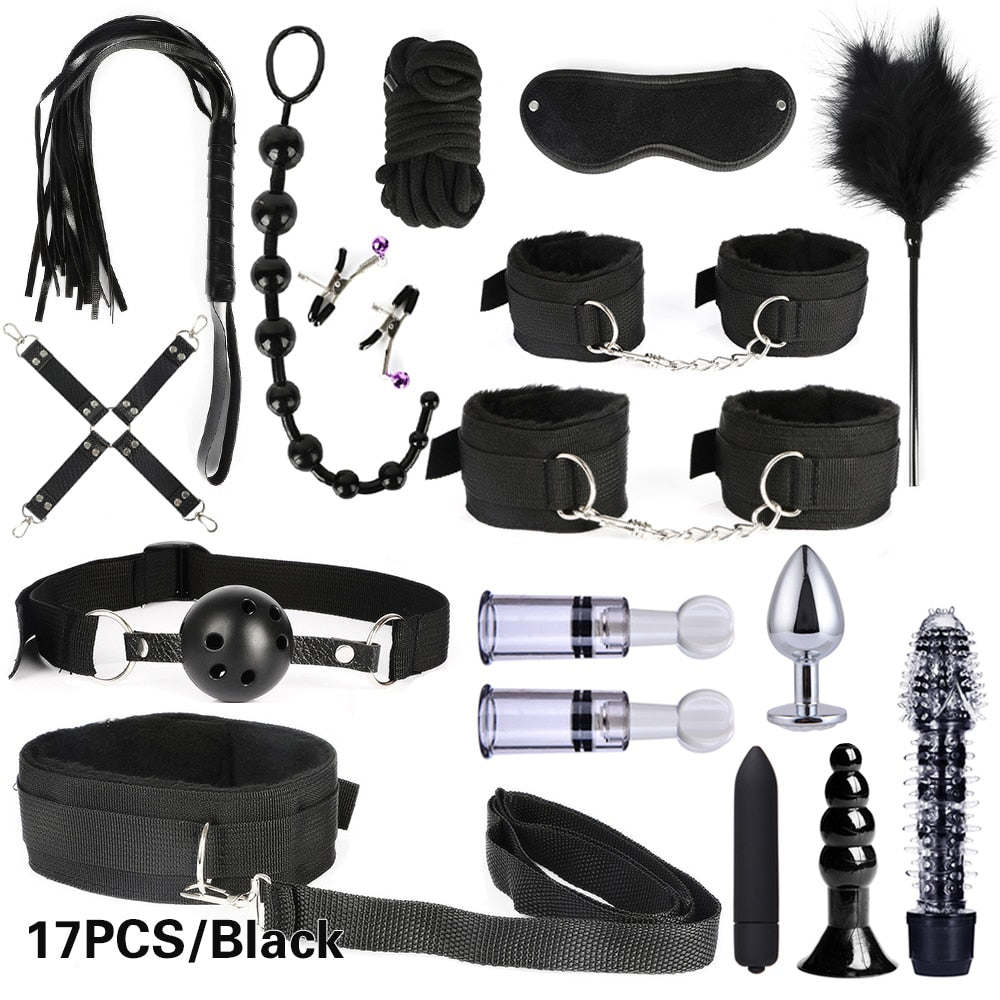
10/13/15/17 PCS Bondage Restraints Kits BDSM Sex Handcuffs Whip Anal Plug Bullet Vibrator Erotic Sex Toy for Couples Adult Games
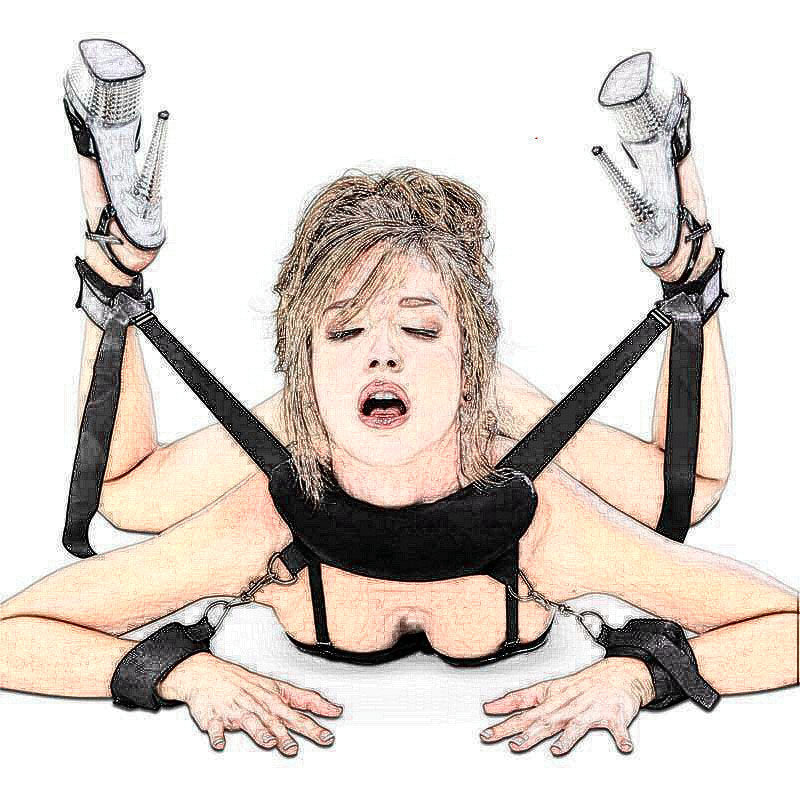
Mouth Gag Sex Toys for Women Couples Handscuff Neck Ankle Cuffs BDSM Bondage Restraints Slave Straps Adult Games Sex Products
___
BDSM—ย่อมาจาก Bondage and Discipline, Dominance and Submission, and Sadism and Masochism เราทุกคนเคยได้ยินเกี่ยวกับมันมาแล้ว และหลังจากภาพยนตร์เรื่อง Fifty Shades of Grey หลายคนคิดว่าเราเป็นผู้คิดค้นมันขึ้นมา แต่ Bondage, Discipline/Domination, Sadism, and Masochism (BDSM) มีมานานหลายพันปีแล้ว คำว่า BDSM เองเพิ่งเกิดขึ้นในยุคสมัยใหม่ มันเป็นการรวมกันของ BD (Bondage and Discipline), DS (Dominance and Submission) และ SM (Sadism and Masochism) คำย่อนี้ปรากฏครั้งแรกในทศวรรษ 1960 และได้รับความนิยมในบริบททางวิชาการและวัฒนธรรมย่อยในปี 1969 ซึ่งเป็นปีที่เหมาะสมด้วยเหตุผลที่ชัดเจน บางแหล่งข้อมูลระบุว่าการใช้ในเชิงวิชาการอย่างเป็นทางการเริ่มต้นในทศวรรษ 1980 แต่การปฏิบัติเหล่านี้มีรากฐานมาจากสมัยโบราณ ย้อนกลับไปถึงอียิปต์โบราณ กรีก และโรมัน เราพบหลักฐานของการปฏิบัติทางเพศที่เกี่ยวข้องกับการครอบงำ การยอมจำนน และการกระตุ้นทางกายภาพ เครื่องปั้นดินเผากรีกและตำราโรมันแสดงภาพฉากการเฆี่ยนตีและการแลกเปลี่ยนอำนาจ ซึ่งบ่งชี้ถึงการยอมรับทางวัฒนธรรมในสิ่งที่เรารู้จักกันในปัจจุบันว่าเป็น "ความวิปริตทางเพศ" — ซึ่งมักถูกเข้าใจผิดมานาน และมักถูกมองว่าสุดโต่งหรือผิดปกติ อย่างไรก็ตาม งานวิจัยจำนวนมากเผยให้เห็นว่ามันเป็นการปฏิบัติที่เกิดขึ้นโดยความยินยอมพร้อมใจ และผู้ใหญ่หลายคนพบว่ามันน่าดึงดูดใจทั้งในด้านร่างกายและอารมณ์ บทความนี้จะเจาะลึกถึงจิตวิทยาและประสาทวิทยาศาสตร์เบื้องหลังว่าทำไมผู้คนถึงสนใจ BDSM ประโยชน์ที่อาจเกิดขึ้น ความเสี่ยง และแนวทางความปลอดภัยที่สำคัญ
BDSM คืออะไร?
BDSM ครอบคลุมการปฏิบัติทางเพศที่หลากหลายซึ่งเกี่ยวข้องกับการแลกเปลี่ยนอำนาจ การเล่นกับความรู้สึก และการสวมบทบาท กิจกรรมทั่วไป ได้แก่ การผูกมัด (การควบคุม) การลงโทษ (กฎและบทลงโทษ) การครอบงำ/การยอมจำนน (พลวัตของอำนาจ) และซาดิสม์และมาโซคิสม์ (การให้หรือรับความเจ็บปวดเพื่อความสุข) โดยทั่วไปแล้วคำย่อนี้หมายถึงสิ่งต่อไปนี้:
B&D (Bondage and Discipline): การใช้เครื่องพันธนาการทางกายภาพ (เช่น เชือก กุญแจมือ ผ้าปิดตา) และพลวัตที่เกี่ยวข้องกับกฎที่ตกลงกันไว้เกี่ยวกับทั้งรางวัลและการลงโทษ
D/s (Dominance and Submission): พลวัตที่คู่รักคนหนึ่ง (ผู้ครอบงำหรือ "Dom") ควบคุมทางจิตใจ และอีกคนหนึ่ง (ผู้ยอมจำนนหรือ "sub") ยินยอมที่จะยอมจำนนต่อการควบคุมนั้น มักเกิดขึ้นในสถานการณ์เฉพาะหรือเป็นวิถีชีวิต
S&M (ซาดิสม์และมาโซคิสม์): การยินยอมพร้อมใจกันก่อให้เกิดและรับ "ความรู้สึกรุนแรง" ทางร่างกายหรืออารมณ์ ซึ่งอาจรวมถึงความเจ็บปวดเพื่อความสุข
ที่สำคัญ BDSM ไม่ได้ผูกติดกับเรื่องเพศเสมอไป มันอาจเป็นเพียงเรื่องทางจิตวิทยาหรือความรู้สึกทางเพศก็ได้ ผู้ปฏิบัติมักใช้คำเช่น "ท็อป" (บทบาทผู้ควบคุม), "บอททอม" (บทบาทผู้ยอมจำนน) และ "สวิตช์" (ทั้งสองบทบาท) โดยแก่นแท้แล้ว BDSM คือข้อตกลงร่วมกันระหว่างผู้ใหญ่ที่มีเหตุผลและเคารพขอบเขตของกันและกัน ต้องดำเนินการภายใต้พื้นฐานของความยินยอมร่วมกันและความสามารถทางจิตใจของทั้งสองฝ่าย
ผู้ควบคุม (ดอม/ดอมม์/ท็อป): บุคคลที่รับผิดชอบและควบคุมกิจกรรมของคู่รักที่ยอมจำนน
ผู้ยอมจำนน (ซับ/บอททอม): บุคคลที่เต็มใจสละการควบคุมและทำตามผู้นำของผู้ควบคุม
สวิตช์: บุคคลที่สนุกกับการเล่นทั้งบทบาทผู้ควบคุมและผู้ยอมจำนน ขึ้นอยู่กับคู่รักหรือบริบท
ทำไมคนถึงชอบ BDSM? ความน่าสนใจทางวิทยาศาสตร์และจิตวิทยา
ที่จริงแล้ว BDSM นั้นซับซ้อนกว่าที่เห็นภายนอกมาก จากการวิจัยของหอสมุดแห่งชาติทางการแพทย์ พบว่า 40-70% ของผู้คนเคยจินตนาการถึงกิจกรรมที่เกี่ยวข้องกับ BDSM 13% เคยลองเล่นแส้ระหว่างมีเพศสัมพันธ์ 20% เคยเล่นพันธนาการ และ 30% เคยตีเพื่อเพิ่มความสุขระหว่างมีเพศสัมพันธ์
จากมุมมองทางประสาทวิทยาศาสตร์ ความเจ็บปวดและความรู้สึกรุนแรงใน BDSM จะกระตุ้นการหลั่งสารเอ็นดอร์ฟิน ซึ่งเป็นยาแก้ปวดตามธรรมชาติที่สร้างความรู้สึกเคลิบเคลิ้ม คล้ายกับ "ความรู้สึกสุขสบายหลังวิ่ง" สิ่งนี้สามารถเปลี่ยนความเจ็บปวดให้เป็นความสุขผ่านทางเส้นทางการปรับความเจ็บปวดของสมอง ทำให้เกิดยาแก้ปวดตามธรรมชาติ
ในทางจิตวิทยา BDSM ช่วยให้สำรวจการควบคุมได้: ผู้ควบคุมจะรู้สึกถึงพลังอำนาจและสมาธิ (มักเรียกว่าสภาวะ "ลื่นไหล") ในขณะที่ผู้ถูกควบคุมอาจเข้าสู่ "มิติย่อย" ซึ่งเป็นสภาวะจิตสำนึกที่เปลี่ยนแปลงไปคล้ายกับภวังค์ มีความรู้สึกเหมือนลอยตัว สงบ และเวลาที่บิดเบือน จิตวิทยาเชิงวิวัฒนาการชี้ให้เห็นว่าความสนใจเหล่านี้อาจเกิดจากพฤติกรรมที่เกินจริงซึ่งเชื่อมโยงกับความสำเร็จในการสืบพันธุ์ แม้ว่า BDSM เองจะไม่ใช่การปรับตัวโดยตรงก็ตาม
หลายคนสนใจ BDSM เพื่อหลีกหนีจากความเป็นจริง บรรเทาความเครียด หรือสำรวจตนเองอย่างลึกซึ้งยิ่งขึ้น การศึกษาแสดงให้เห็นว่าผู้ที่ปฏิบัติ BDSM มักรายงานว่าตนเองเปิดรับประสบการณ์ใหม่ๆ มีมนุษยสัมพันธ์ดี และมีสุขภาวะทางจิตใจที่ดีกว่าผู้ที่ไม่ปฏิบัติ
BDSM ผิดปกติหรือเป็นความผิดปกติทางจิตหรือไม่?
ไม่ใช่ ในอดีตจิตวิทยาจัดว่าเป็นพฤติกรรมเบี่ยงเบน แต่การวิจัยสมัยใหม่พบว่าไม่มีความเชื่อมโยงกับความเจ็บป่วยทางจิตเมื่อปฏิบัติโดยสมัครใจ ผู้เข้าร่วม BDSM มักมีความวิตกกังวลน้อยกว่า มีความรับผิดชอบมากกว่า และรายงานอัตราความวิตกกังวล ภาวะซึมเศร้า หรือปัญหาที่เกี่ยวข้องกับบาดแผลทางใจต่ำกว่าประชากรทั่วไป มันถูกมองว่าเป็นกิจกรรมสันทนาการที่ดีต่อสุขภาพ ไม่ใช่ความผิดปกติ ตราบใดที่มันไม่ก่อให้เกิดความทุกข์หรือความบกพร่อง
ประโยชน์ที่อาจได้รับจาก BDSM
การมีส่วนร่วมใน BDSM โดยสมัครใจสามารถให้ประโยชน์ที่น่าประหลาดใจได้ดังนี้:
ความใกล้ชิดและความไว้วางใจที่เพิ่มขึ้น: การเจรจาขอบเขตสร้างการสื่อสารที่ลึกซึ้งและความใกล้ชิดทางอารมณ์
การลดความเครียด: ฉากต่างๆ เพิ่มระดับคอร์ติซอลชั่วคราว แต่ลดความเครียดที่รับรู้ได้ นำไปสู่การผ่อนคลายและการดำเนินชีวิตประจำวันที่ดีขึ้น
การพัฒนาตนเอง: ส่งเสริมการตระหนักรู้ในตนเอง ความมั่นใจ และการมีสติ
ประโยชน์ทางกายภาพ: บางคนรายงานว่ามีสมรรถภาพทางกายที่ดีขึ้น สมาธิที่ดีขึ้น และแม้กระทั่งรายได้ที่สูงขึ้นเนื่องจากสภาวะทางจิตที่สูงขึ้น
งานวิจัยชี้ให้เห็นว่า BDSM สามารถเลียนแบบผลการบำบัดได้ เช่น สภาวะจิตสำนึกที่เปลี่ยนแปลงไป ซึ่งเป็นประโยชน์ต่อการประมวลผลทางอารมณ์
ความเสี่ยงและข้อกังวลใน BDSM
แม้ว่าโดยเนื้อแท้แล้ว BDSM จะไม่เป็นอันตราย แต่ก็มีความเสี่ยงหากไม่ได้รับการจัดการอย่างเหมาะสม:
อันตรายทางกาย: เทคนิคที่ไม่เหมาะสม (เช่น การมัดที่ทำให้เลือดไหลเวียนไม่สะดวก หรือการกระแทกอย่างรุนแรง) อาจทำให้เกิดการบาดเจ็บ หรือในบางกรณีอาจถึงแก่ชีวิตได้
ปัญหาทางจิตใจ: "Sub drop" หรือ "Dom drop" – ภาวะซึมเศร้าหลังการมีเพศสัมพันธ์จากฮอร์โมนที่ลดลง – อาจรวมถึงความเศร้า ความวิตกกังวล หรือความหงุดหงิด
การละเมิดขอบเขต: หากไม่ได้รับความยินยอมอย่างชัดเจน อาจนำไปสู่การบาดเจ็บทางจิตใจได้
การทบทวนวรรณกรรมยืนยันว่าความเสี่ยงต่อการเสียชีวิตโดยรวมอยู่ในระดับต่ำ แต่เน้นย้ำถึงความจำเป็นในการให้ความรู้
ความเข้าใจผิดทั่วไปเกี่ยวกับ BDSM
แม้ว่าจะได้รับความสนใจมากขึ้นในสื่อ แต่ความเข้าใจผิดเกี่ยวกับ BDSM ยังคงมีอยู่ มาทำความเข้าใจความเข้าใจผิดบางประการกัน:
BDSM ไม่ได้เป็นอันตรายโดยเนื้อแท้ เมื่อปฏิบัติโดยความยินยอม มีการสื่อสาร และมีความปลอดภัย มันแตกต่างจากการล่วงละเมิดโดยพื้นฐาน
มันไม่ได้เกี่ยวกับความเจ็บปวดเสมอไป กิจกรรมหลายอย่างมุ่งเน้นไปที่การเชื่อมต่อทางอารมณ์ การแลกเปลี่ยนอำนาจ หรือความรู้สึกมากกว่าความไม่สบายตัวจริงๆ
มันไม่ใช่ความผิดปกติ จิตวิทยาในปัจจุบันไม่ได้จัดประเภทความชอบ BDSM ที่ยินยอมพร้อมใจกันว่าเป็นพยาธิสภาพ
หลักปฏิบัติที่สำคัญสำหรับ BDSM ที่ปลอดภัย
ความปลอดภัยเป็นสิ่งสำคัญที่สุดในชุมชน BDSM โดยมีหลักการต่างๆ เช่น SSC (Safe, Sane, Consensual) หรือ RACK (Risk-Aware Consensual Kink) เป็นแนวทาง
เคล็ดลับสำคัญ:
การสื่อสาร: พูดคุยเกี่ยวกับขีดจำกัด ความต้องการ และสุขภาพก่อนล่วงหน้า
คำที่ใช้เพื่อหยุด: ใช้คำที่เป็นกลาง (เช่น "แดง" สำหรับหยุด "เหลือง" สำหรับชะลอ) เพื่อหยุดการเล่นทันที
การดูแลหลังการเล่น: การกอดหลังการเล่น การดื่มน้ำ การตรวจสอบอารมณ์เพื่อป้องกันอาการซึมเศร้า
เริ่มต้นอย่างช้าๆ: ผู้เริ่มต้นควรเข้าร่วมชุมชนหรือกิจกรรมเพื่อขอคำแนะนำ หลีกเลี่ยงการพบปะส่วนตัวกับคนแปลกหน้าในตอนแรก
ทั้งสองฝ่ายสำคัญ: ฝ่ายควบคุมอาจต้องการการดูแลหลังการเล่นเช่นกัน เนื่องจากพวกเขาสามารถประสบกับความไม่มั่นใจในตนเองได้
ให้ความสำคัญกับความเคารพซึ่งกันและกันเสมอ—ทุกคนสามารถถอนความยินยอมได้ตลอดเวลา
ข้อคิดสุดท้าย
BDSM เมื่อปฏิบัติอย่างมีความรับผิดชอบ เป็นวิธีที่ถูกต้องสำหรับผู้ใหญ่ที่ยินยอมพร้อมใจกันในการสำรวจความสุข อำนาจ และความสัมพันธ์ มันมีรากฐานมาจากความไว้วางใจ การสื่อสาร และความเคารพ ซึ่งให้ผลตอบแทนทางจิตวิทยาที่ไกลเกินกว่าภาพลักษณ์แบบเหมารวม การลดอคติผ่านการให้ความรู้จะช่วยให้ทุกคนเข้าใจว่ามันเกี่ยวกับการเสริมสร้าง ไม่ใช่การทำร้าย
คำถามที่พบบ่อย (FAQ)
BDSM ย่อมาจากอะไร?
BDSM ย่อมาจาก Bondage and Discipline, Dominance and Submission, and Sadism and Masochism ซึ่งเป็นการปฏิบัติที่เกี่ยวข้องกับพลวัตของอำนาจและความรู้สึกโดยสมัครใจ
BDSM ปลอดภัยหรือไม่?
ใช่ เมื่อปฏิบัติตามหลักการ SSC หรือ RACK ความเสี่ยงมีอยู่ แต่ลดลงได้ด้วยการให้ความรู้ การยินยอม และเทคนิค
ทำไมความเจ็บปวดถึงรู้สึกดีใน BDSM?
เอ็นดอร์ฟินและสารเคมีในสมองอื่นๆ เปลี่ยนความเจ็บปวดให้เป็นความสุข สร้างความรู้สึกเคลิบเคลิ้มและสภาวะกึ่งเคลิบเคลิ้ม
สภาวะกึ่งเคลิบเคลิ้มและสภาวะกึ่งเคลิบเคลิ้มหลังการเล่นคืออะไร?
สภาวะกึ่งเคลิบเคลิ้มคือสภาวะที่เปลี่ยนแปลงไปอย่างมีความสุขระหว่างการเล่น สภาวะกึ่งเคลิบเคลิ้มหลังการเล่นคือความรู้สึก/ร่างกายที่ตกต่ำหลังจากนั้นเนื่องจากการเปลี่ยนแปลงของฮอร์โมน ซึ่งสามารถบรรเทาได้ด้วยการดูแลหลังการเล่น
BDSM สามารถปรับปรุงความสัมพันธ์ได้หรือไม่?
หลายคนรายงานว่าความไว้วางใจและความใกล้ชิดที่แข็งแกร่งขึ้นเนื่องจากการเจรจาอย่างเปิดเผยและความเปราะบาง
BDSM เกี่ยวข้องกับบาดแผลทางใจหรือไม่?
การศึกษาแสดงให้เห็นว่าไม่มีอัตราบาดแผลทางใจที่สูงขึ้น บางคนใช้มันในเชิงบวกเพื่อการประมวลผล แต่ไม่ใช่กลไกการรับมือสำหรับทุกคน
ฉันจะเริ่มต้นกับ BDSM อย่างปลอดภัยได้อย่างไร?
ศึกษาหาความรู้ สื่อสารอย่างเปิดเผย ใช้คำรหัสความปลอดภัย และพิจารณาเข้าร่วมกิจกรรมในชุมชนเพื่อการเรียนรู้
ผู้เริ่มต้นจะเริ่มต้นอย่างปลอดภัยได้อย่างไร?
เริ่มต้นด้วยการสื่อสาร ค้นคว้าหาคู่มือที่น่าเชื่อถือ และเริ่มต้นอย่างช้าๆ ด้วยกิจกรรมง่ายๆ ก่อนที่จะก้าวไปสู่เครื่องมือหรือสถานการณ์ที่ซับซ้อนมากขึ้น
มีผลิตภัณฑ์ที่ช่วยผู้เริ่มต้นหรือไม่?
มี — ตั้งแต่เครื่องพันธนาการแบบอ่อนโยนไปจนถึงของเล่นสำหรับผู้เริ่มต้น เลือกอุปกรณ์ BDSM ที่มีคุณภาพ ให้ความสำคัญกับความปลอดภัย และปฏิบัติตามคู่มือการใช้งาน
Further reading:
Bondage, spanking, and orgasm control! 10 psychological guides for BDSM beginners
BDSM—short for Bondage and Discipline, Dominance and Submission, and Sadism and Masochism. We’ve all heard about it—and since Fifty Shades of Grey, many people think we invented it. But Bondage, Discipline/Domination, Sadism, and Masochism (BDSM) has been around for thousands of years. The term BDSM itself only emerged in modern times. It’s a combination of BD (Bondage and Discipline), DS (Dominance and Submission), and SM (Sadism and Masochism). The acronym first appeared in the 1960s and was popularised in academic and subcultural contexts by 1969—a fitting year, for obvious reasons. Some sources suggest its formal academic use began in the 1980s, but the practices themselves have ancient roots. As far back as ancient Egypt, Greece, and Rome, we find evidence of erotic practices involving dominance, submission, and physical stimulation. Greek pottery and Roman texts depict scenes of flagellation and power exchange, suggesting a cultural acceptance of what we’d now recognize as kink.—has long been misunderstood, often portrayed as extreme or deviant. However, a growing body of research reveals it's a consensual practice that many adults find appealing for both physical and emotional reasons. This article dives into the psychology and neuroscience behind why people are drawn to BDSM, its potential benefits, risks, and key safety guidelines.
What Is BDSM?
BDSM encompasses a variety of erotic practices involving power exchange, sensation play, and role-playing. Common activities include bondage (restraint), discipline (rules and punishments), dominance/submission (power dynamics), and sadomasochism (giving or receiving pain for pleasure).The acronym is generally understood to stand for the following:
B&D (Bondage and Discipline): The use of physical restraints (e.g., ropes, cuffs, blindfolds) and a dynamic involving rules that have been agreed-upon regarding both rewards and punishments.
D/s (Dominance and Submission): A dynamic where one partner (the dominant or "Dom") takes psychological control and the other (the submissive or "sub") willingly yields that control, usually often within specific scenarios or as a lifestyle.
S&M (Sadism and Masochism): The consensual infliction and receipt of physical or emotional "intense sensations" which may include pain for pleasure.
Importantly, BDSM is not inherently tied to sex; it can be purely psychological or sensual. Practitioners often use terms like "Top" (dominant role), "Bottom" (submissive role), and "Switch" (both). At its core, BDSM is about mutual agreement between rational adults who respect each other's boundaries. It must be conducted under the premise of mutual consent and the mental capacity of both parties.
Dominant (Dom/Domme/Top): The person who takes charge and controls the activities or the submissive partner.
Submissive (Sub/Bottom): The person who willingly gives up control and follows the dominant partner's lead.
Switch: An individual who enjoys playing both the dominant and submissive roles, depending on the partner or context.
Why Do People Like BDSM? The Scientific and Psychological Appeal
In fact, BDSM is far more complex than it appears on the surface. According to research by the National Library of Medicine, 40-70% of people have fantasized about BDSM-related activities, 13% have tried playful whipping during sex, 20% have played bondage, and 30% have spanked to increase pleasure during sex.
From a neuroscientific perspective, pain and intense sensations in BDSM trigger the release of endorphins—natural painkillers that create euphoria, similar to a "runner's high." This can transform pain into pleasure through the brain's downward pain modulation pathway, producing natural analgesics.
Psychologically, BDSM allows exploration of control: dominants experience empowerment and focus (often called "flow" state), while submissives may enter "subspace"—a trance-like altered consciousness with feelings of floating, peace, and time distortion. Evolutionary psychology suggests these interests may stem from exaggerated behaviors linked to reproductive success, though BDSM itself isn't directly adaptive.
Many are drawn to BDSM for escapism, stress relief, or deeper self-exploration. Studies show practitioners often report higher openness to experience, extraversion, and subjective well-being compared to non-practitioners.
Is BDSM Perverted or Pathological?
No. Early psychology labeled it as deviant, but modern research finds no link to mental illness when practiced consensually. BDSM participants are often less neurotic, more conscientious, and report lower rates of anxiety, depression, or trauma-related issues than the general population. It's viewed as a healthy recreational activity, not a disorder, as long as it doesn't cause distress or impairment.
Potential Benefits of BDSM
Engaging in consensual BDSM can offer surprising advantages:
Enhanced Intimacy and Trust: Negotiating boundaries builds deep communication and emotional closeness.
Stress Reduction: Scenes increase cortisol temporarily but reduce perceived stress, leading to relaxation and better flow in daily life.
Personal Growth: It fosters self-awareness, confidence, and mindfulness.
Physical Perks: Some report improved fitness, focus, and even higher income due to heightened mental states.
Research indicates BDSM can mimic therapeutic effects, like altered consciousness states beneficial for emotional processing.
Risks and Concerns in BDSM
While not inherently dangerous, BDSM carries risks if not handled properly:
Physical Harm: Improper techniques (e.g., bondage cutting circulation or extreme impact) can cause injury or, rarely, fatal outcomes.
Psychological Issues: "Sub drop" or "dom drop"—post-scene emotional lows from hormone crashes—can include sadness, anxiety, or frustration.
Boundary Violations: Without clear consent, it can lead to trauma.
Literature reviews confirm low fatal risks overall, but emphasize the need for education.
Common Misconceptions About BDSM
Despite greater visibility in media, misconceptions about BDSM persist. Let’s clarify some myths:
BDSM is not inherently harmful. When practiced consensually with communication and safety, it differs fundamentally from abuse.
It’s not always about pain. Many activities focus on emotional connection, power exchange, or sensation rather than actual discomfort.
It’s not a disorder. Modern psychology does not categorize consensual BDSM preferences as a pathology.
Essential Practices for Safe BDSM
Safety is paramount in the BDSM community, guided by principles like SSC (Safe, Sane, Consensual) or RACK (Risk-Aware Consensual Kink).
Key tips:
Communication: Discuss limits, desires, and health beforehand.
Safe Words: Use neutral words (e.g., "red" for stop, "yellow" for slow down) to halt play instantly.
Aftercare: Post-scene cuddling, hydration, emotional check-ins to prevent drop.
Start Slow: Beginners should join communities or events for guidance, avoiding private meets with strangers initially.
Both Sides Matter: Dominants may need aftercare too, as they can experience self-doubt.
Always prioritize mutual respect—anyone can withdraw consent at any time.
Final Thoughts
BDSM, when practiced responsibly, is a valid way for consenting adults to explore pleasure, power, and connection. It's rooted in trust, communication, and respect, offering psychological rewards far beyond stereotypes. Reducing stigma through education helps everyone understand it's about enhancement, not harm.
Frequently Asked Questions (FAQ)
What does BDSM stand for?
BDSM stands for Bondage and Discipline, Dominance and Submission, and Sadism and Masochism—consensual practices involving power dynamics and sensation.
Is BDSM safe?
Yes, when following SSC or RACK principles. Risks exist but are minimized through education, consent, and technique.
Why does pain feel good in BDSM?
Endorphins and other neurochemicals convert pain into pleasure, creating euphoria and subspace.
What is subspace and sub drop?
Subspace is a blissful, altered state during play; sub drop is the emotional/physical low afterward from hormone shifts—mitigated by aftercare.
Can BDSM improve relationships?
Many report stronger trust and intimacy due to open negotiation and vulnerability.
Is BDSM linked to trauma?
Studies show no higher trauma rates; some use it positively for processing, but it's not a coping mechanism for everyone.
How do I start with BDSM safely?
Educate yourself, communicate openly, use safe words, and consider community events for learning.
How can beginners start safely?
Begin with communication, research reputable guides, and start slow with simple activities before progressing to complex tools or scenarios.
Are there products that help beginners?
Yes — from soft restraints to beginner impact toys, choose quality BDSM accessories, prioritize safety, and follow guides for usage.
10/13/15/17 PCS Bondage Restraints Kits BDSM Sex Handcuffs Whip Anal Plug Bullet Vibrator Erotic Sex Toy for Couples Adult Games
Mouth Gag Sex Toys for Women Couples Handscuff Neck Ankle Cuffs BDSM Bondage Restraints Slave Straps Adult Games Sex Products
___
BDSM—ย่อมาจาก Bondage and Discipline, Dominance and Submission, and Sadism and Masochism เราทุกคนเคยได้ยินเกี่ยวกับมันมาแล้ว และหลังจากภาพยนตร์เรื่อง Fifty Shades of Grey หลายคนคิดว่าเราเป็นผู้คิดค้นมันขึ้นมา แต่ Bondage, Discipline/Domination, Sadism, and Masochism (BDSM) มีมานานหลายพันปีแล้ว คำว่า BDSM เองเพิ่งเกิดขึ้นในยุคสมัยใหม่ มันเป็นการรวมกันของ BD (Bondage and Discipline), DS (Dominance and Submission) และ SM (Sadism and Masochism) คำย่อนี้ปรากฏครั้งแรกในทศวรรษ 1960 และได้รับความนิยมในบริบททางวิชาการและวัฒนธรรมย่อยในปี 1969 ซึ่งเป็นปีที่เหมาะสมด้วยเหตุผลที่ชัดเจน บางแหล่งข้อมูลระบุว่าการใช้ในเชิงวิชาการอย่างเป็นทางการเริ่มต้นในทศวรรษ 1980 แต่การปฏิบัติเหล่านี้มีรากฐานมาจากสมัยโบราณ ย้อนกลับไปถึงอียิปต์โบราณ กรีก และโรมัน เราพบหลักฐานของการปฏิบัติทางเพศที่เกี่ยวข้องกับการครอบงำ การยอมจำนน และการกระตุ้นทางกายภาพ เครื่องปั้นดินเผากรีกและตำราโรมันแสดงภาพฉากการเฆี่ยนตีและการแลกเปลี่ยนอำนาจ ซึ่งบ่งชี้ถึงการยอมรับทางวัฒนธรรมในสิ่งที่เรารู้จักกันในปัจจุบันว่าเป็น "ความวิปริตทางเพศ" — ซึ่งมักถูกเข้าใจผิดมานาน และมักถูกมองว่าสุดโต่งหรือผิดปกติ อย่างไรก็ตาม งานวิจัยจำนวนมากเผยให้เห็นว่ามันเป็นการปฏิบัติที่เกิดขึ้นโดยความยินยอมพร้อมใจ และผู้ใหญ่หลายคนพบว่ามันน่าดึงดูดใจทั้งในด้านร่างกายและอารมณ์ บทความนี้จะเจาะลึกถึงจิตวิทยาและประสาทวิทยาศาสตร์เบื้องหลังว่าทำไมผู้คนถึงสนใจ BDSM ประโยชน์ที่อาจเกิดขึ้น ความเสี่ยง และแนวทางความปลอดภัยที่สำคัญ
BDSM คืออะไร?
BDSM ครอบคลุมการปฏิบัติทางเพศที่หลากหลายซึ่งเกี่ยวข้องกับการแลกเปลี่ยนอำนาจ การเล่นกับความรู้สึก และการสวมบทบาท กิจกรรมทั่วไป ได้แก่ การผูกมัด (การควบคุม) การลงโทษ (กฎและบทลงโทษ) การครอบงำ/การยอมจำนน (พลวัตของอำนาจ) และซาดิสม์และมาโซคิสม์ (การให้หรือรับความเจ็บปวดเพื่อความสุข) โดยทั่วไปแล้วคำย่อนี้หมายถึงสิ่งต่อไปนี้:
B&D (Bondage and Discipline): การใช้เครื่องพันธนาการทางกายภาพ (เช่น เชือก กุญแจมือ ผ้าปิดตา) และพลวัตที่เกี่ยวข้องกับกฎที่ตกลงกันไว้เกี่ยวกับทั้งรางวัลและการลงโทษ
D/s (Dominance and Submission): พลวัตที่คู่รักคนหนึ่ง (ผู้ครอบงำหรือ "Dom") ควบคุมทางจิตใจ และอีกคนหนึ่ง (ผู้ยอมจำนนหรือ "sub") ยินยอมที่จะยอมจำนนต่อการควบคุมนั้น มักเกิดขึ้นในสถานการณ์เฉพาะหรือเป็นวิถีชีวิต
S&M (ซาดิสม์และมาโซคิสม์): การยินยอมพร้อมใจกันก่อให้เกิดและรับ "ความรู้สึกรุนแรง" ทางร่างกายหรืออารมณ์ ซึ่งอาจรวมถึงความเจ็บปวดเพื่อความสุข
ที่สำคัญ BDSM ไม่ได้ผูกติดกับเรื่องเพศเสมอไป มันอาจเป็นเพียงเรื่องทางจิตวิทยาหรือความรู้สึกทางเพศก็ได้ ผู้ปฏิบัติมักใช้คำเช่น "ท็อป" (บทบาทผู้ควบคุม), "บอททอม" (บทบาทผู้ยอมจำนน) และ "สวิตช์" (ทั้งสองบทบาท) โดยแก่นแท้แล้ว BDSM คือข้อตกลงร่วมกันระหว่างผู้ใหญ่ที่มีเหตุผลและเคารพขอบเขตของกันและกัน ต้องดำเนินการภายใต้พื้นฐานของความยินยอมร่วมกันและความสามารถทางจิตใจของทั้งสองฝ่าย
ผู้ควบคุม (ดอม/ดอมม์/ท็อป): บุคคลที่รับผิดชอบและควบคุมกิจกรรมของคู่รักที่ยอมจำนน
ผู้ยอมจำนน (ซับ/บอททอม): บุคคลที่เต็มใจสละการควบคุมและทำตามผู้นำของผู้ควบคุม
สวิตช์: บุคคลที่สนุกกับการเล่นทั้งบทบาทผู้ควบคุมและผู้ยอมจำนน ขึ้นอยู่กับคู่รักหรือบริบท
ทำไมคนถึงชอบ BDSM? ความน่าสนใจทางวิทยาศาสตร์และจิตวิทยา
ที่จริงแล้ว BDSM นั้นซับซ้อนกว่าที่เห็นภายนอกมาก จากการวิจัยของหอสมุดแห่งชาติทางการแพทย์ พบว่า 40-70% ของผู้คนเคยจินตนาการถึงกิจกรรมที่เกี่ยวข้องกับ BDSM 13% เคยลองเล่นแส้ระหว่างมีเพศสัมพันธ์ 20% เคยเล่นพันธนาการ และ 30% เคยตีเพื่อเพิ่มความสุขระหว่างมีเพศสัมพันธ์
จากมุมมองทางประสาทวิทยาศาสตร์ ความเจ็บปวดและความรู้สึกรุนแรงใน BDSM จะกระตุ้นการหลั่งสารเอ็นดอร์ฟิน ซึ่งเป็นยาแก้ปวดตามธรรมชาติที่สร้างความรู้สึกเคลิบเคลิ้ม คล้ายกับ "ความรู้สึกสุขสบายหลังวิ่ง" สิ่งนี้สามารถเปลี่ยนความเจ็บปวดให้เป็นความสุขผ่านทางเส้นทางการปรับความเจ็บปวดของสมอง ทำให้เกิดยาแก้ปวดตามธรรมชาติ
ในทางจิตวิทยา BDSM ช่วยให้สำรวจการควบคุมได้: ผู้ควบคุมจะรู้สึกถึงพลังอำนาจและสมาธิ (มักเรียกว่าสภาวะ "ลื่นไหล") ในขณะที่ผู้ถูกควบคุมอาจเข้าสู่ "มิติย่อย" ซึ่งเป็นสภาวะจิตสำนึกที่เปลี่ยนแปลงไปคล้ายกับภวังค์ มีความรู้สึกเหมือนลอยตัว สงบ และเวลาที่บิดเบือน จิตวิทยาเชิงวิวัฒนาการชี้ให้เห็นว่าความสนใจเหล่านี้อาจเกิดจากพฤติกรรมที่เกินจริงซึ่งเชื่อมโยงกับความสำเร็จในการสืบพันธุ์ แม้ว่า BDSM เองจะไม่ใช่การปรับตัวโดยตรงก็ตาม
หลายคนสนใจ BDSM เพื่อหลีกหนีจากความเป็นจริง บรรเทาความเครียด หรือสำรวจตนเองอย่างลึกซึ้งยิ่งขึ้น การศึกษาแสดงให้เห็นว่าผู้ที่ปฏิบัติ BDSM มักรายงานว่าตนเองเปิดรับประสบการณ์ใหม่ๆ มีมนุษยสัมพันธ์ดี และมีสุขภาวะทางจิตใจที่ดีกว่าผู้ที่ไม่ปฏิบัติ
BDSM ผิดปกติหรือเป็นความผิดปกติทางจิตหรือไม่?
ไม่ใช่ ในอดีตจิตวิทยาจัดว่าเป็นพฤติกรรมเบี่ยงเบน แต่การวิจัยสมัยใหม่พบว่าไม่มีความเชื่อมโยงกับความเจ็บป่วยทางจิตเมื่อปฏิบัติโดยสมัครใจ ผู้เข้าร่วม BDSM มักมีความวิตกกังวลน้อยกว่า มีความรับผิดชอบมากกว่า และรายงานอัตราความวิตกกังวล ภาวะซึมเศร้า หรือปัญหาที่เกี่ยวข้องกับบาดแผลทางใจต่ำกว่าประชากรทั่วไป มันถูกมองว่าเป็นกิจกรรมสันทนาการที่ดีต่อสุขภาพ ไม่ใช่ความผิดปกติ ตราบใดที่มันไม่ก่อให้เกิดความทุกข์หรือความบกพร่อง
ประโยชน์ที่อาจได้รับจาก BDSM
การมีส่วนร่วมใน BDSM โดยสมัครใจสามารถให้ประโยชน์ที่น่าประหลาดใจได้ดังนี้:
ความใกล้ชิดและความไว้วางใจที่เพิ่มขึ้น: การเจรจาขอบเขตสร้างการสื่อสารที่ลึกซึ้งและความใกล้ชิดทางอารมณ์
การลดความเครียด: ฉากต่างๆ เพิ่มระดับคอร์ติซอลชั่วคราว แต่ลดความเครียดที่รับรู้ได้ นำไปสู่การผ่อนคลายและการดำเนินชีวิตประจำวันที่ดีขึ้น
การพัฒนาตนเอง: ส่งเสริมการตระหนักรู้ในตนเอง ความมั่นใจ และการมีสติ
ประโยชน์ทางกายภาพ: บางคนรายงานว่ามีสมรรถภาพทางกายที่ดีขึ้น สมาธิที่ดีขึ้น และแม้กระทั่งรายได้ที่สูงขึ้นเนื่องจากสภาวะทางจิตที่สูงขึ้น
งานวิจัยชี้ให้เห็นว่า BDSM สามารถเลียนแบบผลการบำบัดได้ เช่น สภาวะจิตสำนึกที่เปลี่ยนแปลงไป ซึ่งเป็นประโยชน์ต่อการประมวลผลทางอารมณ์
ความเสี่ยงและข้อกังวลใน BDSM
แม้ว่าโดยเนื้อแท้แล้ว BDSM จะไม่เป็นอันตราย แต่ก็มีความเสี่ยงหากไม่ได้รับการจัดการอย่างเหมาะสม:
อันตรายทางกาย: เทคนิคที่ไม่เหมาะสม (เช่น การมัดที่ทำให้เลือดไหลเวียนไม่สะดวก หรือการกระแทกอย่างรุนแรง) อาจทำให้เกิดการบาดเจ็บ หรือในบางกรณีอาจถึงแก่ชีวิตได้
ปัญหาทางจิตใจ: "Sub drop" หรือ "Dom drop" – ภาวะซึมเศร้าหลังการมีเพศสัมพันธ์จากฮอร์โมนที่ลดลง – อาจรวมถึงความเศร้า ความวิตกกังวล หรือความหงุดหงิด
การละเมิดขอบเขต: หากไม่ได้รับความยินยอมอย่างชัดเจน อาจนำไปสู่การบาดเจ็บทางจิตใจได้
การทบทวนวรรณกรรมยืนยันว่าความเสี่ยงต่อการเสียชีวิตโดยรวมอยู่ในระดับต่ำ แต่เน้นย้ำถึงความจำเป็นในการให้ความรู้
ความเข้าใจผิดทั่วไปเกี่ยวกับ BDSM
แม้ว่าจะได้รับความสนใจมากขึ้นในสื่อ แต่ความเข้าใจผิดเกี่ยวกับ BDSM ยังคงมีอยู่ มาทำความเข้าใจความเข้าใจผิดบางประการกัน:
BDSM ไม่ได้เป็นอันตรายโดยเนื้อแท้ เมื่อปฏิบัติโดยความยินยอม มีการสื่อสาร และมีความปลอดภัย มันแตกต่างจากการล่วงละเมิดโดยพื้นฐาน
มันไม่ได้เกี่ยวกับความเจ็บปวดเสมอไป กิจกรรมหลายอย่างมุ่งเน้นไปที่การเชื่อมต่อทางอารมณ์ การแลกเปลี่ยนอำนาจ หรือความรู้สึกมากกว่าความไม่สบายตัวจริงๆ
มันไม่ใช่ความผิดปกติ จิตวิทยาในปัจจุบันไม่ได้จัดประเภทความชอบ BDSM ที่ยินยอมพร้อมใจกันว่าเป็นพยาธิสภาพ
หลักปฏิบัติที่สำคัญสำหรับ BDSM ที่ปลอดภัย
ความปลอดภัยเป็นสิ่งสำคัญที่สุดในชุมชน BDSM โดยมีหลักการต่างๆ เช่น SSC (Safe, Sane, Consensual) หรือ RACK (Risk-Aware Consensual Kink) เป็นแนวทาง
เคล็ดลับสำคัญ:
การสื่อสาร: พูดคุยเกี่ยวกับขีดจำกัด ความต้องการ และสุขภาพก่อนล่วงหน้า
คำที่ใช้เพื่อหยุด: ใช้คำที่เป็นกลาง (เช่น "แดง" สำหรับหยุด "เหลือง" สำหรับชะลอ) เพื่อหยุดการเล่นทันที
การดูแลหลังการเล่น: การกอดหลังการเล่น การดื่มน้ำ การตรวจสอบอารมณ์เพื่อป้องกันอาการซึมเศร้า
เริ่มต้นอย่างช้าๆ: ผู้เริ่มต้นควรเข้าร่วมชุมชนหรือกิจกรรมเพื่อขอคำแนะนำ หลีกเลี่ยงการพบปะส่วนตัวกับคนแปลกหน้าในตอนแรก
ทั้งสองฝ่ายสำคัญ: ฝ่ายควบคุมอาจต้องการการดูแลหลังการเล่นเช่นกัน เนื่องจากพวกเขาสามารถประสบกับความไม่มั่นใจในตนเองได้
ให้ความสำคัญกับความเคารพซึ่งกันและกันเสมอ—ทุกคนสามารถถอนความยินยอมได้ตลอดเวลา
ข้อคิดสุดท้าย
BDSM เมื่อปฏิบัติอย่างมีความรับผิดชอบ เป็นวิธีที่ถูกต้องสำหรับผู้ใหญ่ที่ยินยอมพร้อมใจกันในการสำรวจความสุข อำนาจ และความสัมพันธ์ มันมีรากฐานมาจากความไว้วางใจ การสื่อสาร และความเคารพ ซึ่งให้ผลตอบแทนทางจิตวิทยาที่ไกลเกินกว่าภาพลักษณ์แบบเหมารวม การลดอคติผ่านการให้ความรู้จะช่วยให้ทุกคนเข้าใจว่ามันเกี่ยวกับการเสริมสร้าง ไม่ใช่การทำร้าย
คำถามที่พบบ่อย (FAQ)
BDSM ย่อมาจากอะไร?
BDSM ย่อมาจาก Bondage and Discipline, Dominance and Submission, and Sadism and Masochism ซึ่งเป็นการปฏิบัติที่เกี่ยวข้องกับพลวัตของอำนาจและความรู้สึกโดยสมัครใจ
BDSM ปลอดภัยหรือไม่?
ใช่ เมื่อปฏิบัติตามหลักการ SSC หรือ RACK ความเสี่ยงมีอยู่ แต่ลดลงได้ด้วยการให้ความรู้ การยินยอม และเทคนิค
ทำไมความเจ็บปวดถึงรู้สึกดีใน BDSM?
เอ็นดอร์ฟินและสารเคมีในสมองอื่นๆ เปลี่ยนความเจ็บปวดให้เป็นความสุข สร้างความรู้สึกเคลิบเคลิ้มและสภาวะกึ่งเคลิบเคลิ้ม
สภาวะกึ่งเคลิบเคลิ้มและสภาวะกึ่งเคลิบเคลิ้มหลังการเล่นคืออะไร?
สภาวะกึ่งเคลิบเคลิ้มคือสภาวะที่เปลี่ยนแปลงไปอย่างมีความสุขระหว่างการเล่น สภาวะกึ่งเคลิบเคลิ้มหลังการเล่นคือความรู้สึก/ร่างกายที่ตกต่ำหลังจากนั้นเนื่องจากการเปลี่ยนแปลงของฮอร์โมน ซึ่งสามารถบรรเทาได้ด้วยการดูแลหลังการเล่น
BDSM สามารถปรับปรุงความสัมพันธ์ได้หรือไม่?
หลายคนรายงานว่าความไว้วางใจและความใกล้ชิดที่แข็งแกร่งขึ้นเนื่องจากการเจรจาอย่างเปิดเผยและความเปราะบาง
BDSM เกี่ยวข้องกับบาดแผลทางใจหรือไม่?
การศึกษาแสดงให้เห็นว่าไม่มีอัตราบาดแผลทางใจที่สูงขึ้น บางคนใช้มันในเชิงบวกเพื่อการประมวลผล แต่ไม่ใช่กลไกการรับมือสำหรับทุกคน
ฉันจะเริ่มต้นกับ BDSM อย่างปลอดภัยได้อย่างไร?
ศึกษาหาความรู้ สื่อสารอย่างเปิดเผย ใช้คำรหัสความปลอดภัย และพิจารณาเข้าร่วมกิจกรรมในชุมชนเพื่อการเรียนรู้
ผู้เริ่มต้นจะเริ่มต้นอย่างปลอดภัยได้อย่างไร?
เริ่มต้นด้วยการสื่อสาร ค้นคว้าหาคู่มือที่น่าเชื่อถือ และเริ่มต้นอย่างช้าๆ ด้วยกิจกรรมง่ายๆ ก่อนที่จะก้าวไปสู่เครื่องมือหรือสถานการณ์ที่ซับซ้อนมากขึ้น
มีผลิตภัณฑ์ที่ช่วยผู้เริ่มต้นหรือไม่?
มี — ตั้งแต่เครื่องพันธนาการแบบอ่อนโยนไปจนถึงของเล่นสำหรับผู้เริ่มต้น เลือกอุปกรณ์ BDSM ที่มีคุณภาพ ให้ความสำคัญกับความปลอดภัย และปฏิบัติตามคู่มือการใช้งาน
Further reading:
Bondage, spanking, and orgasm control! 10 psychological guides for BDSM beginners
 MARTIN WOO